Executive Summary
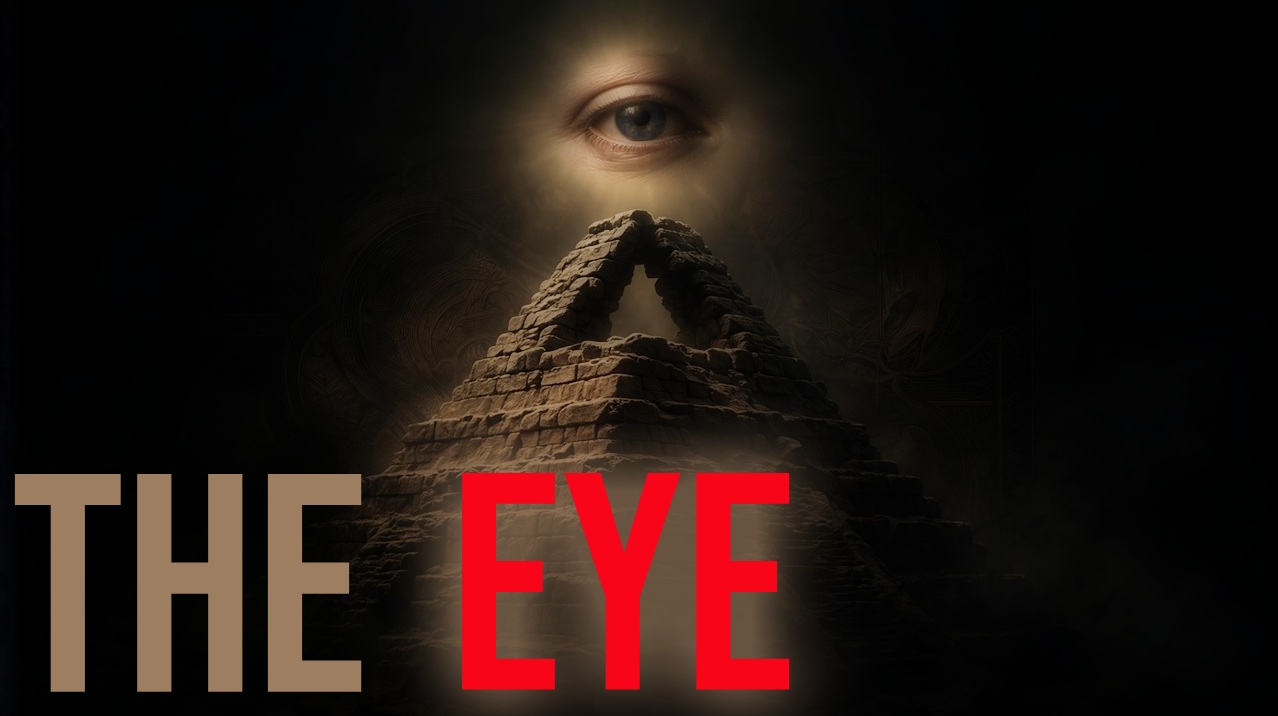
The All-Seeing Eye and unfinished pyramid on the back of the American $1 bill are among the most recognizable symbols in the United States. Their conventional interpretation is familiar: the Great Seal represents Providence, the thirteen original states, and the ideals of the American founding.
But the modern history of the symbol is considerably stranger.
In the second installment of our investigation into Bankers Trust, the Federal Reserve, and the symbolic architecture of American finance, we begin with a deceptively simple question: Who actually put the Eye and Pyramid on the dollar — and why?
The answer leads first to Treasury Secretary Henry Morgenthau Jr. and President Franklin D. Roosevelt, but then backward to Roosevelt’s Secretary of Agriculture and future Vice President, Henry A. Wallace. Wallace, in turn, was deeply fascinated by the Russian mystic and symbolist painter Nicholas Roerich, whom he regarded as a spiritual master.
According to the account explored here, Wallace discovered an obscure early-twentieth-century history of the Great Seal in the National Archives in 1934. He became particularly interested in the phrase Novus Ordo Seclorum — “New Order of the Ages” — and brought the material to Roosevelt. Roosevelt reportedly favored placing the Great Seal on American currency rather than the originally contemplated coin, and Treasury Secretary Morgenthau subsequently implemented the decision.
This creates a remarkable historical chain: Roerich → Wallace → Roosevelt → Morgenthau → the dollar.
But the story does not end with the Great Seal.
Roerich was associated with an elaborate tradition surrounding a mysterious “sacred stone,” sometimes identified by researchers with the Stone of Destiny, the Holy Grail, Jacob’s Pillow Stone, or the legendary Bethel Stone. One particularly curious version of the story claims that this object was delivered to Roerich in a wooden casket bearing the words “Banquer’s Trust.”
That detail brings the investigation back to the subject of Part One: Bankers Trust.
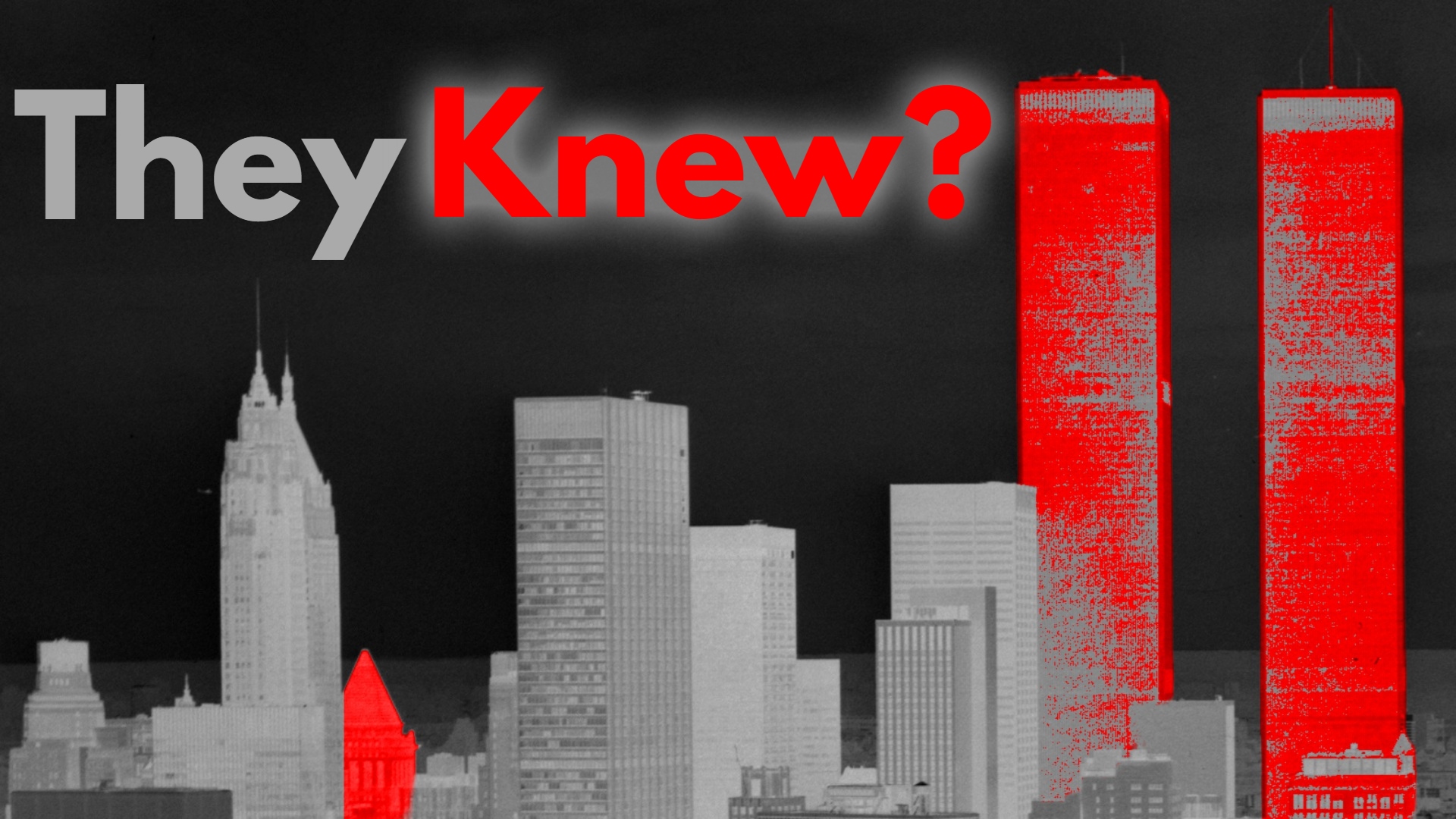
The connection becomes even more intriguing when we reconsider the pyramid. Bankers Trust’s former headquarters at 14 Wall Street was crowned by a monumental pyramid modeled in part on the Mausoleum at Halicarnassus — itself a tomb. Decades later, the bank’s successor headquarters at 130 Liberty Street stood directly beside the World Trade Center complex and was damaged during the destruction of the South Tower. During its subsequent demolition, human remains from the disaster were reportedly discovered on the roof.
Meanwhile, the dollar’s pyramid is conspicuously unfinished.
Its missing capstone invites another ancient association: the Egyptian Benben stone, traditionally associated with the first emergence of land at Heliopolis. The pyramid’s capstone, or pyramidion, was modeled upon this sacred stone. In the accompanying mythology, the Bennu bird — a self-renewing solar creature and traditional precursor of the phoenix — is associated with the Benben.
The symbolism therefore suggests a recurring pattern: destruction and rebirth, death and resurrection, chaos and order.
The American dollar’s reverse also contains the so-called eagle, which occult writer Manly P. Hall interpreted instead as a disguised phoenix. The phoenix, in turn, gives the story another symbolic connection with the destruction and subsequent rebuilding of the World Trade Center site.
And only blocks away sits the Federal Reserve Bank of New York at 33 Liberty Street.
Are all of these connections evidence of a single hidden plan?
That is not the claim.
The more interesting question, from the perspective of SynchroMystique, is whether meaningful patterns can emerge across history without requiring a single person or organization to consciously orchestrate every connection.
Carl Jung called this phenomenon synchronicity: an acausal connecting principle in which events, symbols, and meanings converge in ways that cannot necessarily be reduced to ordinary chains of physical causation.
The Eye on the dollar may therefore be worth examining not merely as a piece of American iconography, but as a symbolic object with a documented twentieth-century history — one that intersects with mysticism, political power, financial institutions, secret societies, ancient symbolism, and the recurring myth of death followed by rebirth.
The next time you pull a dollar from your wallet, look at the back.
The eye has been watching the whole time.